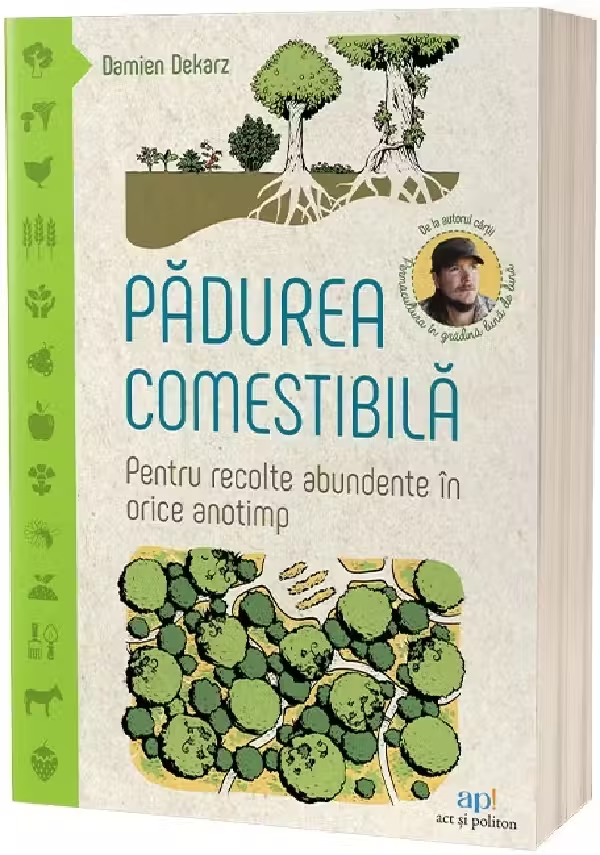
Pădurea comestibilă
Original title: Pentru recolte abundente în orice anotimp
by Damien Dekarz
- ISBN
- 9786303032139
- Publisher
- ACT si Politon
- Publication year
- 2024
- Pages
- 192
- Language
- Romanian
- Format
- Paperback
Description
Damien Dekarz shows how to grow food in gardens like wild woods. Trees, shrubs and vines grow at different heights. They share space with food plants and fungi. A grapevine can climb an apple tree. Berries can grow below it. This hands-on guide helps gardeners and farmers plan food forests.
The book has seven parts. The first makes the case for this kind of farming. Dekarz argues that food forests can cut fossil fuel use. He weighs them against large-scale industrial farms. He also looks at growing food in cities. He seeks more wildlife, healthy soil and stored carbon.
The next parts cover design and soil care. They explain seven layers of plants. Topics include mulch and plants that fix nitrogen. They also cover mycorrhiza, where roots and fungi work together. Dekarz looks at light, shade and warmth. He covers the edges of woods and plants that climb. He then explains grafting, pruning and pollarding. He also shows how to leave cut growth as mulch.
Plans cover bare grassland, fruit groves and woods. They also cover pasture with fruit trees. Other topics include raised beds and hedges. The book covers when to plant and how to water. It looks at microclimates, or the climate in small areas. Readers learn about pollination, seeds and plant choice. They learn to grow plants from layers and cuttings. The book also deals with plant disease.
Plant guides cover vines you can eat. They include food plants that live for years. They also cover crops for each season. A table compares types of apples and their taste. The last part covers animals, bees and growing mushrooms. It looks at chickens, ducks, horses and donkeys. It also looks at other food sources.
Dekarz urges readers to fit each method to their site. He grew up in the countryside of southern France. He studied habitats in other lands. Peru's Amazon region helped shape his approach. He also travelled through Morocco, Mauritania and Senegal. Back in France, he made three food forests. At Grand-Jas, he grew food without ploughing. He used no fertilisers or pesticides and watered little. A second, small garden tested food growing on chalky soil.
His later work centres on a four-hectare farm in Limousin. It has woods, pasture and old fruit trees. It also has food plants, a greenhouse and a pond. Poultry give eggs. A mare and two donkeys graze and supply manure. Solar panels and reused batteries supply some power. He keeps space for wild plants and animals too. His new food forest spans more than a hectare. At the time of writing, he had planted nearly 1,000 trees. He had done this within two years.
Dekarz works as a trainer, designer and speaker. Since 2014, he has shared permaculture and agroecology methods online. Adriana Craciun translated this edition from French.
Prices at stores
In stock only at Librarius, at 250,00 lei.

Related books
Resursele acvatice ale RM. Apele de suprafaţă
Cazac V, Valeriu Cazacu, Constantin Mihailescu, Gherman Bejenaru, Gavril Galca
in 4 stores
Resursele Acvatice ale RM. Fantinile şi izvoarele Moldovei.
Aureliu Overcenco, Constantin Mihailescu, Oleg Bogdevici, Gavril Galca
in 4 stores
CALATORII EPICE. 245 de aventuri care iti vor schimba viata
in 2 stores
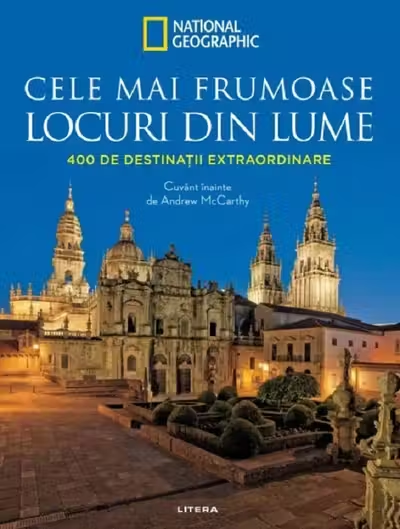
CELE MAI FRUMOASE LOCURI DIN LUME. 400 de destinatii extraordinare
in 2 stores

Sahul pe intelesul tuturor
in 2 stores
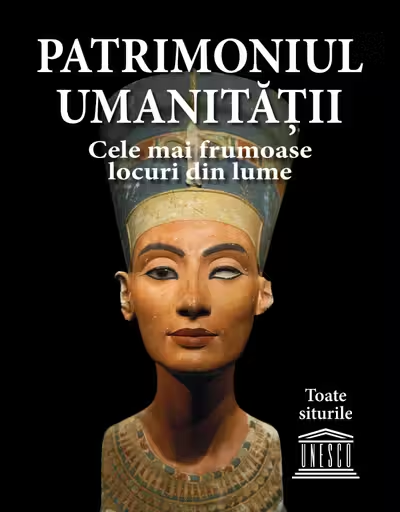
Patrimoniul umanitatii. Cele mai frumoase locuri din lume
in 2 stores