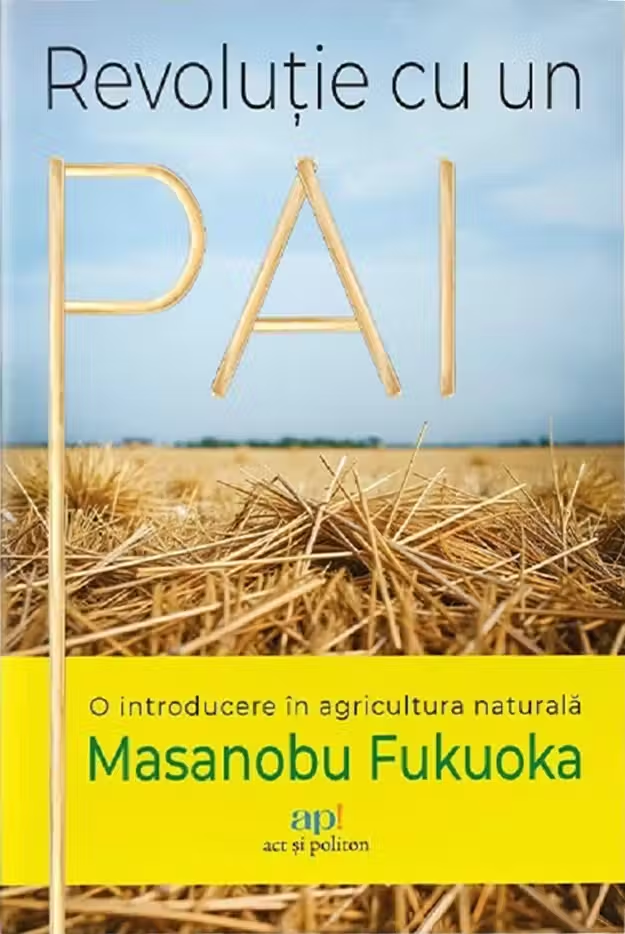
Revolutie cu un pai: O introducere in agricultura naturala
Original title: The One-Straw Revolution: An Introduction to Natural Farming
by Masanobu Fukuoka
- ISBN
- 9786303032504
- Publisher
- ACT si Politon
- Publication year
- 2024
- Pages
- 240
- Language
- Romanian
- Format
- Paperback
Description
Masanobu Fukuoka sets out a way to farm with less human control. He links soil care with food, health, and spiritual life. The book gives farm advice and his views on nature. He writes for growers and those who garden at home. He also speaks to those who seek a simpler life.
Fukuoka trained in microbiology, the study of tiny life forms. He trained in Yokohama and studied plant disease. At 25, a personal insight led him to leave research. He went home to try farming with little human input. His first test killed his father's grove of mandarin trees. He wrote this book at 61. By then, he had farmed for more than 30 years. His methods grew from his life on Shikoku. Rice and mandarins were key crops there.
He bases his way of farming on four rules. He does not plough or use chemical fertilisers. He does not use prepared compost. Nor does he till soil or use herbicides to kill weeds. He also rejects the need to rely on chemical sprays. He uses straw, white clover, and life in the soil. Decay, rain, roots, and small creatures help feed his crops. He seeks to cut needless work but keep crop yields. His rice fields do not need floods all the time. Nor do they need machines that run on fuel.
The book tracks his yearly work with rice, barley, and rye. In spring, he sows rice and clover among winter grains. Once he reaps the grain, he puts straw back on the field. A little manure helps break it down. In autumn, he sows winter grain before reaping the rice. He does little field work in winter. He also coats seeds in clay. This keeps them safe before they sprout.
Fukuoka uses these methods for fruit trees and garden crops too. He grows food crops among fruit trees and on hillsides. He covers when to sow and seeds slow to sprout. He also covers clover and mixed herb and vegetable seeds. He looks at straw, poultry manure, and ways to control pests. He explains how to keep birds from seeds. His methods rely on work by hand. This can cause problems with costs and finding workers.
He questions faith in technology and the drive for more wealth. He links farm chemicals to harm to water. He also looks at ways to heal damaged land. He questions farming for trade and the demand for large, bright fruit. He also questions fears that food will run short. He argues that growing with few inputs should make food cheap.
Food and health form a further part of the book. He looks at meals made from garden crops in season. He also looks at four broad kinds of diet. He discusses refined foods, insects people can eat, and illness. He asks how food choices affect nature. He sees farming as a way of life, not just a job. He thinks meeting basic needs should leave time for rest and spiritual growth.
For this edition, Beatrice Popescu translated the text from English.
Prices at stores
In stock only at Librarius, at 199,00 lei.

Related books
Resursele acvatice ale RM. Apele de suprafaţă
Cazac V, Valeriu Cazacu, Constantin Mihailescu, Gherman Bejenaru, Gavril Galca
in 3 stores
Resursele Acvatice ale RM. Fantinile şi izvoarele Moldovei.
Aureliu Overcenco, Constantin Mihailescu, Oleg Bogdevici, Gavril Galca
in 3 stores

CALATORII EPICE. 245 de aventuri care iti vor schimba viata
in 2 stores
CELE MAI FRUMOASE LOCURI DIN LUME. 400 de destinatii extraordinare
in 2 stores
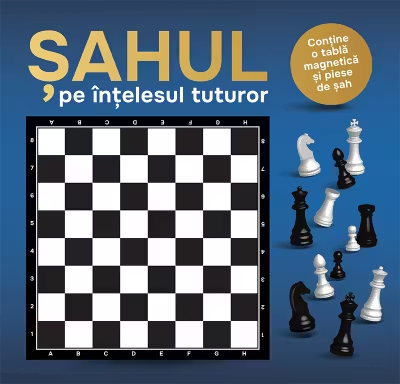
Sahul pe intelesul tuturor
in 2 stores
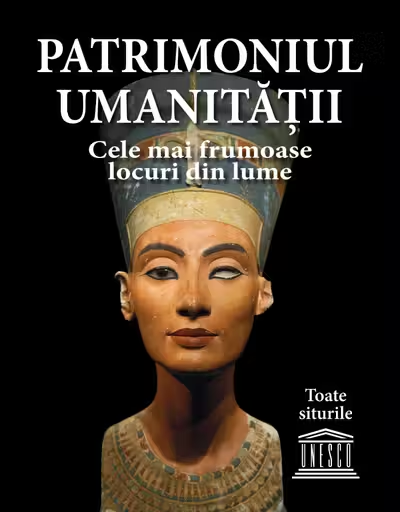
Patrimoniul umanitatii. Cele mai frumoase locuri din lume
in 2 stores